Western Literature Week Two --
a. test correction
- The first Roman emperor was: (A) Julius Caesar (B) Ptolemy (C) Augustus (D) Nero.
- As Greece emerged from its Dark Age, what empire ruled most of Asia Minor? (A) Roman (B) Persian (C) Egyptian (D) Indo-European
3. The Egyptian writing system known as hieroglyphics relied on: ____________. (A) an alphabet for consonant sounds (B) a system of pictographs (C) wedge-shaped characters, like cuneiform, but more elaborate 9D) an alphabet for consonant and vowel sounds.
b.English Prefix, Root, and Suffix (v)
- monetheistic - mone means one and the means god,
- departure - de means down, away from ex. decline depreciate.
- spectator - spect means to look to listen ex. inspect perspective
c. vocabulary
1. lyre - a string instrument known for its use in Greek classical antiquity and later periods.

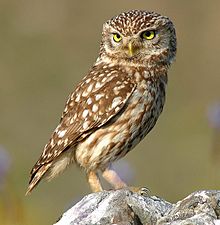
2. owls- are birds from the order Strigiformes, which includes about 200 species of mostly solitary and nocturnal birds of prey typified by an upright stance, a large, broad head, binocular vision, binaural hearing and feathers adapted for silent flight.
3. Atreus - In Greek mythology, Atreus was a king of Mycenae in the Peloponnese, the son of Pelops and Hippodamia, and the father of Agamemnon and Menelaus. Collectively, his descendants are known as Atreidai or Atreidae.
4. Orchestra - An orchestra is a large instrumental ensemble that contains sections of string (violin, viola, cello and double bass), brass, woodwind, and percussion instruments. Other instruments such as the piano and celesta may sometimes be grouped into a fifth section such as a keyboard section or may stand alone, as may the concert harp and electric and electronic instruments. The term orchestra derives from the Greek ὀρχήστρα, the name for the area in front of an ancient Greek stage reserved for the Greek chorus. The orchestra grew by accretion throughout the 18th and 19th centuries, but changed very little in composition during the course of the 20th century.

5. develop the film


